

Categories
Blog

Overcoming Challenges: Tips for Successful Flight Training

Introduction:

Embarking on the journey to become a pilot is an exciting and challenging endeavor. Flight training is a rigorous process that demands dedication, focus, and resilience. Aspiring pilots often encounter various obstacles along the way, from mastering complex maneuvers to dealing with the pressure of exams. In this comprehensive guide, we will explore the common challenges faced during flight training and provide valuable tips to ensure a successful and fulfilling experience.

1. Setting Realistic Expectations: The Foundation for Success

The first step in overcoming challenges in flight training is setting realistic expectations. Aspiring pilots should understand that the process is demanding, both mentally and physically. It’s crucial to acknowledge that setbacks may occur, and progress might not always be linear. This section will delve into the importance of maintaining a positive mindset and understanding that challenges are a natural part of the learning curve.

2. Mastering the Basics: A Solid Ground fordvanced Learning

Flight training begins with mastering the basics. This section will discuss the fundamental skills every pilot needs to develop, such as understanding aircraft controls, navigation, and communication protocols. Emphasizing the importance of building a strong foundation will help aspiring pilots overcome more complex challenges later in heir training.

3. Facing the Fear of Heights: Conquering Airsickness and Anxiety

For many individuals, the fear of heights or airsickness can pose a significant challenge during flight training. This part of the guide will explore strategies to overcome these fears, including desensitization techniques, mindfulness practices, and advice on maintaining a healthy lifestyle to reduce anxiety.

4. Navigating the Weather: Adapting to Unpredictable Conditions

Weather conditions can present formidable challenges for aspiring pilots. From gusty winds to low visibility, this section will provide insights into how to navigate and adapt to various weather challenges. Tips on reading weather forecasts, understanding turbulence, and making safe decisions based on current conditions will be discussed.

5. Managing Time and Finances: Practical Tips for Success

Flight training demands a significant investment of both time and money. This part of the guide will offer practical tips on managing these resources effectively. Topics covered include creating a realistic study schedule, budgeting for training expenses, and finding ways to optimize learning during training sessions.

6. Overcoming Exam Anxiety: Strategies for Success

Exams are an inevitable part of flight training, and anxiety can be a formidable opponent. This section will explore techniques to manage exam stress, including
effective study habits, mental preparation, and strategies for tackling different types of assessments. Emphasizing the importance of continuous learning and seeking support when needed will be highlighted.

7. Building Effective Communication Skills: A Key to Success in Aviation

Communication is paramount in aviation, and developing effective communication skills is crucial for successful flight training. This section will discuss the importance of clear and concise communication, both in the cockpit and with air traffic control. Tips on enhancing verbal and non-verbal communication will be provided.

8. Embracing Simulators: Enhancing Training Through Technology

Simulators play a vital role in flight training, providing a safe environment for pilots to practice and hone their skills. This part of the guide will explore the benefits of simulator training, tips for making the most out of simulator sessions, and how virtual environments can help aspiring pilots overcome specific challenges.

9. Building Resilience: Bouncing Back from Setbacks

Flight training is not without its setbacks, and resilience is a key trait for success. This section will provide insights into developing resilience, learning from failures, and maintaining motivation in the face of challenges. Real-life stories of successful pilots who overcame adversity during their training will be shared to inspire and motivate.

10. Seeking Mentorship and Support: The Power of Community

Having a support system is invaluable during flight training. This section will explore the benefits of seeking mentorship from experienced pilots, connecting with fellow trainees, and tapping into the wealth of knowledge within the aviation community. Tips on networking and building a support network will be provided.

Conclusion: Soaring to Success

In conclusion, flight training is a challenging yet rewarding journey that requires determination, perseverance, and a strategic approach to overcome obstacles. By
setting realistic expectations, mastering the basics, facing fears, adapting to unpredictable conditions, managing resources effectively, developing strong communication skills, embracing technology, building resilience, and seeking support, aspiring pilots can navigate the challenges of flight training and soar to success in the world of aviation

Categories
Blog

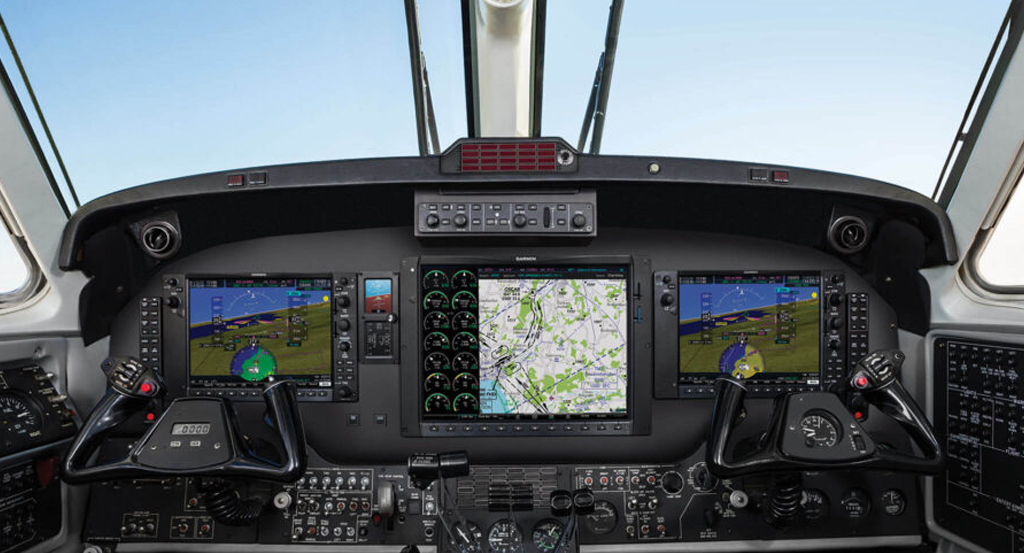
Advancements in Aviation Technology and Their Impact on Pilot Training

Introduction:

● Brief overview of the historical context of pilot training.
● Introduction to the rapid advancements in aviation technology.
● The purpose of the blog – exploring the impact of these advancements on pilot
training.

Section 1: Evolution of Aviation Technology:

● Historical timeline of key technological advancements in aviation.
● Transition from propellers to jet engines.
● Introduction of automation in cockpit systems.

Section 2: The Role of Simulators in Modern Pilot Training:

● Importance of flight simulators in contemporary pilot education.
● Realism and effectiveness of modern simulators.
● Specific examples of advanced simulator technologies.

Section 3: Aircraft Design and Technology:

● Impact of advanced materials on aircraft design and performance.
● Fly-by-Wire systems and their influence on piloting.
● Innovations in engine efficiency and fuel consumption.

Section 4: Navigation and Communication Systems:

● Integration of GPS and satellite navigation in aviation.
● Advancements in communication technologies within the cockpit and with
ground control.
● Enhanced situational awareness through modern navigation systems.

Section 5: Big Data and Analytics in Aviation:

● Introduction to the role of big data in aviation.
● How analytics contribute to predictive maintenance and safety.
● Utilizing data for optimizing flight paths and fuel efficiency.

Section 6: Challenges and Considerations:

● Addressing potential challenges and drawbacks of technology in pilot training.
● Balancing reliance on automation with maintaining essential piloting skills.
● The human factor in the age of advanced technology.

Section 7: Training the Next Generation of Pilots:

● Adaptations in pilot training programs to incorporate new technologies.
● The importance of a holistic approach that combines traditional and modern
training methods.
● Ensuring that pilots are well-prepared for diverse scenarios.

Conclusion:

● Summary of key points discussed in the blog.
● Emphasis on the positive impact of technology on pilot training.
● Closing thoughts on the future of aviation and continued technological
advancements.

Categories
Blog

Mastering the Basics: Essential Skills Every Pilot Learns

Introduction

Becoming a pilot is a thrilling journey filled with challenges, excitement, and the pursuit of mastery over the skies. The foundation of a successful aviation career lies in mastering the basics – essential skills that every aspiring pilot must learn. In this comprehensive guide, we’ll explore the key building blocks of pilot training and delve into why these skills are crucial for those aiming to soar among the clouds.

1. Understanding Aircraft

Systems and Controls At the heart of pilot training is a thorough understanding of aircraft systems and controls. From the intricacies of the cockpit to the functionality of flight instruments, novice pilots learn to navigate the complex web of technology that keeps an aircraft airborne. This section will break down the essentials, offering insights into how pilots develop an intimate relationship with their machines.

2. Navigating the Sky: Introduction to Aviation Charts

A crucial skill for any pilot is the ability to read and interpret aviation charts. Whether it’s understanding symbols, deciphering airspace designations, or plotting a course, mastering this skill is essential for safe and efficient navigation. This part of the blog will provide an in-depth look at the various types of charts and how pilots use them to plan and execute flights.

3. Takeoff and Landing Techniques

One of the most critical aspects of flying is the art of takeoff and landing. From the physics involved to the precise maneuvers required, pilots must master these skills to ensure the safety of everyone on board. This section will explore the step-by-step process of taking off and landing, emphasizing the importance of precision and situational awareness.

4. Aerodynamics: The Science Behind Flight

A solid grasp of aerodynamics is fundamental for any aspiring pilot. From lift to drag, understanding the forces at play during flight is essential for making informed decisions in the air. This segment will simplify the principles of aerodynamics, making them accessible to readers with varying levels of aviation knowledge.

5. Communication in the Skies: Radio Procedures

Clear and effective communication is non-negotiable in aviation. Pilots must master radio procedures to interact with air traffic control and other aircraft. This part of the blog will explore the nuances of radio communication, detailing the protocols and conventions that pilots adhere to while in the sky.

6. Weather Wisdom: Navigating Atmospheric Challenges

Weather can be a pilot’s greatest ally or most formidable adversary. In this section, we’ll delve into the basics of meteorology that every pilot must grasp. From reading weather reports to making real-time decisions based on atmospheric conditions, this skill is paramount for safe and successful flights.

7. Emergency Procedures: Cool Under Pressure

No pilot can afford to neglect emergency preparedness. This part of the guide will outline the essential emergency procedures that pilots are trained to handle. From engine failures to sudden changes in weather, pilots must stay calm and act decisively to ensure the safety of the aircraft and its passengers.

8. Regulatory Compliance and Legal Aspects

Compliance with aviation regulations is a cornerstone of responsible piloting. This section will shed light on the legal aspects of flying, emphasizing the importance of adhering to rules and regulations set forth by aviation authorities. Understanding the legal landscape ensures that pilots operate within a framework that prioritizes safety and professionalism.

Conclusion

Mastering the basics is not just a rite of passage; it’s the key to a successful and enduring career in aviation. Aspiring pilots must commit to honing these essential skills, understanding that each one contributes to their ability to navigate the skies safely and confidently. Whether it’s the technical aspects of aircraft systems, the art of takeoff and landing, or the nuanced communication required in the air, the journey to becoming a pilot is a continuous pursuit of excellence in these fundamental areas. As we conclude this exploration of essential pilot skills, we recognize that the mastery of these basics is not an endpoint but a foundation upon which pilots build a legacy of safe and skilled aviation.

×